

At some point or another, you’ve probably come across the quote by Charles Darwin that goes something along the lines of:
“It’s not the strongest or the fastest that survives — it’s the one most adaptable to change.”
So what I’m going to do for you in this article is explain this in much more detail and make it far more applicable to the 21st century — because, obviously, times have changed.
And if you study nature, what you’ll tend to find is that it doesn’t reward past success. It doesn’t reward your carefully laid plans. It doesn’t reward how impressive you once were.
It rewards one thing and one thing only:
Your ability to adapt to a changing environment.
So let’s get into the article.
#1 Legacy Belongs to the Flexible
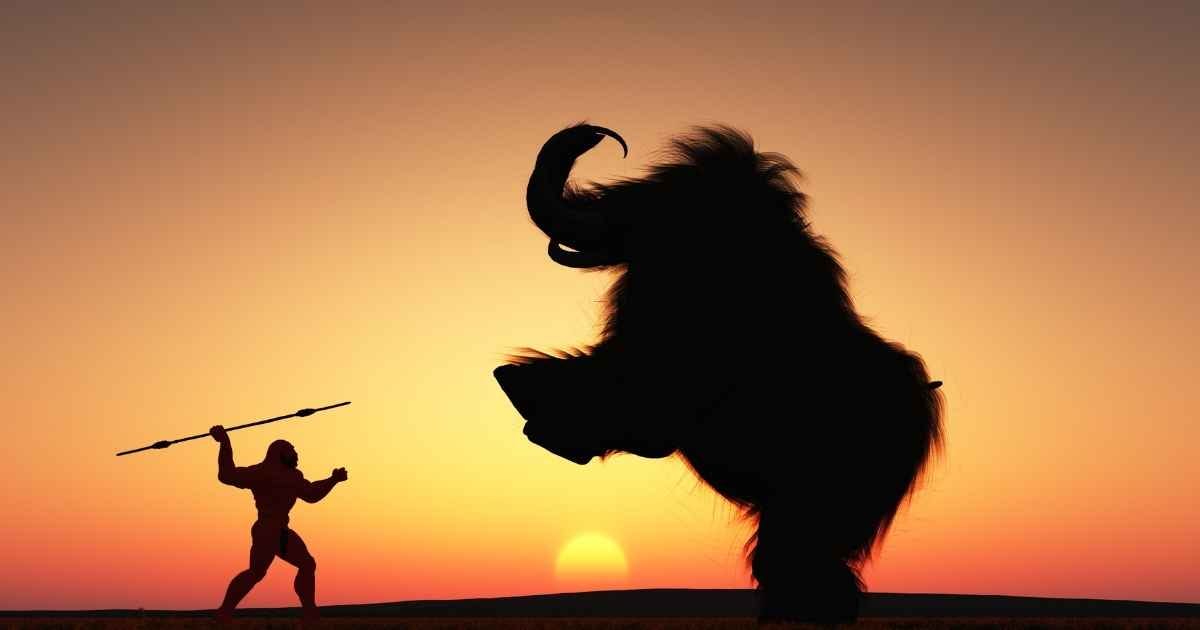
If you want proof that it’s not the biggest and strongest that survives, but the most adaptable, look no further than dinosaurs.
They were big, powerful animals, but when conditions changed, the dinosaurs couldn’t adapt to the new environment and eventually became extinct.
If you look at the food chain, humans sit at the top. Yet compared to other animals, we’re far from the strongest, the biggest, or the fastest.
What we are is the most adaptable. Human beings excel at coming together and working as a team — and that may be our greatest strength.
The law of the jungle (if that’s what you want to call it) doesn’t just apply to nature; it applies to the business world as well.
Threats are everywhere:
Potential lawsuits, aggressive competitors who may see you as a problem because you’re taking their customers, and constant disruption.
A perfect example of a company that failed to move with the times is Blockbuster. It was once the undisputed king of video and DVD rentals.
Then Netflix came along and changed the game by going fully online.
While Netflix adapted, Blockbuster stood still and as a result paid a massive price.
Today, according to reports, only one Blockbuster store remains. Its downfall is a sobering lesson every business owner should study.
The message is clear:
If you don’t adapt, you die.

#2 Too Much Comfort Is the Enemy of Survival
There’s a popular quote that says you’re either growing or you’re dying — there’s no middle ground.
And there’s a lot of truth to it.
Highly adaptable people tend to deliberately expose themselves to new challenges, new ideas, and new environments.
In today’s world, you simply have to be open-minded and flexible.
You must constantly update your knowledge and skills because the world is changing incredibly fast.
Just compare 1996 to 2026 because thanks to the internet, it’s a completely different world.
Now imagine what things will look like in another 30 years…
The job market is a perfect example of this shift. Before the internet, when you applied for a job, you were mainly competing with people in your own country or local area.
Today, depending on your profession you’re competing with talented people from all over the world.
For instance, imagine a customer service role at a company based in the US or UK.
A skilled worker in Thailand now has the potential to compete with you because she speaks perfect English, types just as fast as you, and has the advantage of accepting a lower salary (due to a much lower cost of living in Thailand)
This gives her a competitive advantage.
That’s how things have changed.
The bottom line is this:
You have to keep updating your knowledge and moving with the times. Because once AI and machines fully take hold, the world is going to change again — and only the adaptable will thrive.
#3 Resilience Beats Strength
When it comes to strength versus resilience, there’s an old fable that explains it perfectly:
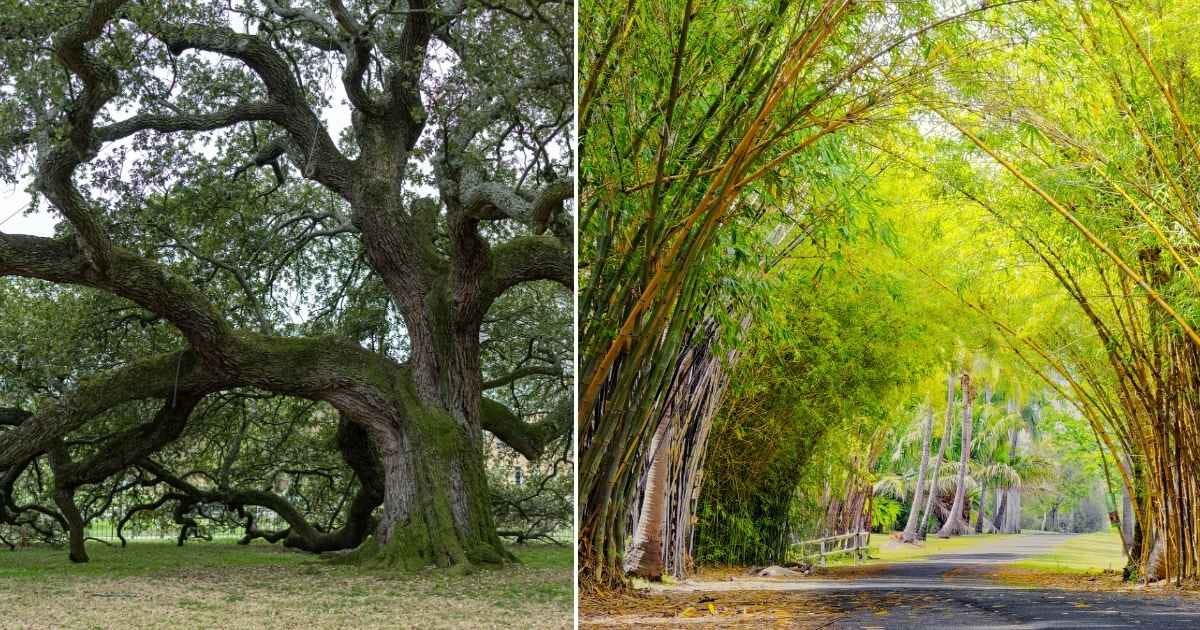
The oak tree versus the bamboo tree.
To cut a long story short, you’ve got a forest with two trees side by side—the mighty oak and the bamboo.
On the surface, the oak looks big, powerful, and strong, with its massive, meaty trunk.
The bamboo? It looks skinny, frail, and fragile—not very strong at all.
Put it this way:
If you had to bet on which tree would fall over first in bad weather, you’d probably pick the bamboo.
But here’s what actually happens when a storm hits…
It’s not the oak that’s left standing—it’s the bamboo. The oak just stands rigid, refusing to adapt or change.
The bamboo, on the other hand, bends with the wind and shifts its form.
That’s why it survives while the oak topples and this is a perfect example of resilience over raw strength.
And the same principle applies to the human body:
You’re only as physically capable as your spine is mobile, stable, and pain-free.
Sure, it’s great to be a big, strong powerlifter—the oak tree of the gym. But if you’re ignoring the softer side of training, like mobility work and posture correction, you’re shooting yourself in the foot.
From a pure physical fitness perspective, it’s much better to be a generalist than a specialist and this leads perfectly to my next point.
#4 Specialization Can Be a Death Sentence
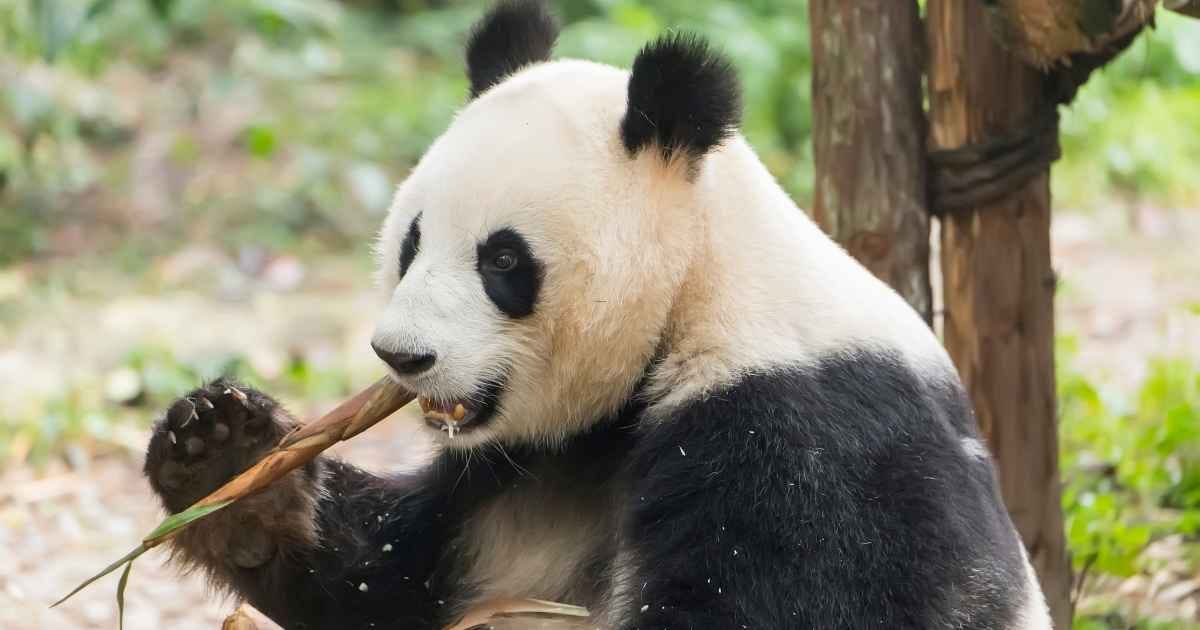
The perfect example of this in nature is the panda.
A panda’s diet consists almost entirely of bamboo. It’s very rare for them to eat anything else.
For now, this is fine because bamboo is abundant and widespread. But what happens if conditions change and bamboo becomes scarce?
What does the panda do then?
This is exactly how animals become extinct.
The same principle applies to humans, especially as the job market evolves. We all know AI and machines are coming — in fact, they’re already here.
Driverless taxis are already operating, which means the job of a taxi driver may soon disappear.
The same could be said for bus drivers, truck drivers, tram drivers, and train drivers.
The list goes on.
For example, I live in the UK, and a gas station near me used to be fully staffed. Now it’s completely automated.
You pull up, put your card in the machine, fuel up, and leave.
And to be fair, customers actually benefit because it’s quicker this way, and the company benefits by not having to pay staff.
Another example is the robot cleaner I saw at my local supermarket. My first thought was that this robot had taken somebody’s job.
The reality is, it’s not just low-skilled jobs like cleaning and retail that are affected.
It’s also happening in the tech industry to people with advanced degrees — highly educated professionals are losing their jobs to AI.
The solution is simple but not easy:
You simply have to move with the times, keep upskilling and adapting because the world is changing at a very quick pace.